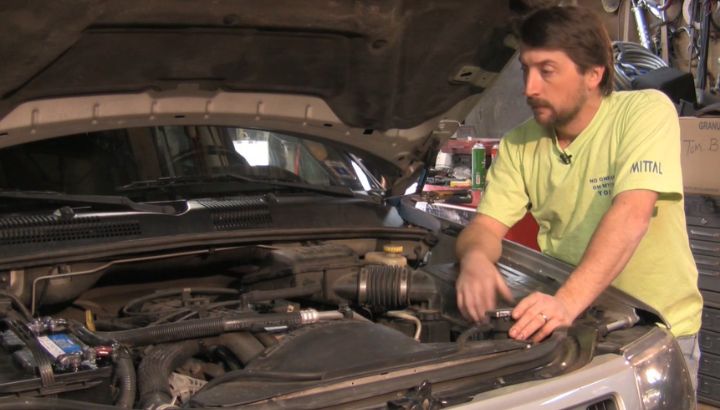
Pull over safely, turn off the air conditioner, turn the heater to maximum heat with the fan on full, shut off the engine, open the hood from inside the cabin, and wait at least 30 minutes before any inspection. Never pour cold water on a hot engine because the thermal shock can crack the block.
The temperature gauge climbing into red is one of the few situations where every minute matters more than the last. The window between manageable overheating and a destroyed engine is often shorter than the drive to the next exit.
Knowing how to cool down a car engine quickly in your specific situation saves a $4,000 head gasket job and a tow truck bill you cannot afford. A driver outside Amarillo, Texas in August has 90 seconds to act before warping happens.
What Engine Cool Down Actually Means
Engine cool down refers to the process of reducing engine and coolant temperatures from operating range or overheated levels back to safe handling temperatures. A normal operating engine runs between 195°F and 220°F at the coolant. An overheated engine can exceed 250°F to 280°F, where damage occurs within minutes.
Quick cool down techniques aim to drop temperature by 50°F to 100°F within 30 to 60 minutes. The methods work by removing heat through the radiator, the heater core, ambient airflow, or natural radiation from the engine block to surrounding air.
The cooling system uses engine coolant mixed with distilled water to absorb heat from the cylinder head and engine block. The coolant flows through the radiator where ambient air removes the heat, then returns to the engine to repeat the cycle. When the system fails or gets overwhelmed, the engine cannot dissipate heat fast enough and temperatures climb dangerously.
Warning Signs You Need To Cool Down Right Now
Your dashboard and senses tell you when the engine has crossed from warm to dangerous. Recognizing the signals in the first 60 seconds determines whether you save the engine or destroy it.
Temperature Gauge Reading In The Red Zone
The temperature gauge entering the red zone is the clearest signal that you need immediate action. Most gauges show red when coolant temperature exceeds 230°F.
A 2018 Honda Civic with the needle past three-quarters and climbing has crossed the safe threshold. Continued driving for more than 60 seconds in the red zone warps cylinder heads within 3 to 5 minutes. Pull over within the next half-mile regardless of traffic conditions.
Steam Coming From The Hood
Steam rolling out from under the hood means coolant has reached its boiling point of 250°F to 265°F at system pressure. The steam usually escapes from a burst hose, a failed radiator cap, or boiling coolant in the overflow tank.
Visible steam through the hood gaps requires immediate action. Pull over within the next quarter mile, shut off the engine, and stay back from the hood until cooling begins.
Sweet Smell Or Burning Oil Smell
A sweet maple-syrup smell signals coolant leakage onto hot engine components. A burning oil smell suggests oil leaking onto the exhaust manifold or other hot surfaces.
Both smells indicate fluid loss that compounds the cooling problem. The smell often arrives before the gauge fully reaches red, giving you a 1 to 3 minute warning window. Use it to find a safe pull-over location immediately.
Loss Of Engine Power
The Engine Control Module (ECM) reduces fuel delivery, ignition timing, and boost pressure when temperatures climb beyond safe limits. The protection feels like sudden sluggishness, hesitation, or refusal to accelerate.
A 2017 Chevy Equinox climbing a hill that suddenly cannot maintain speed despite a flat-out pedal may have entered protective mode. The ECM is trying to save the engine. Help it by pulling over.
Coolant Light Or Engine Warning On Dash
Modern dashboards include both a coolant temperature warning light showing a thermometer over wavy lines and a low coolant level warning. Either light requires immediate attention.
A red coolant warning light is an emergency stop signal. The amber low-coolant light gives you 5 to 50 miles of warning before damage begins, depending on outside temperature and engine load.
What These Warning Signs Are Telling You About The Cause
Surface symptoms point to specific problems that determine the right cooling approach. Reading the cause correctly speeds the fix.
Sudden Coolant Loss From Burst Hose
A sudden temperature spike with visible steam often means a burst upper radiator hose or lower radiator hose. The coolant escapes faster than the system can compensate.
The fix at roadside is impossible because you cannot replace a hose without parts and tools. Your job is to cool the engine safely, then arrange a tow. Replacing a burst hose at home costs $20 to $40 in parts. The same job at a shop runs $200 to $400.
Slow Climb From Marginal Cooling
A slow temperature climb usually points to marginal cooling capacity from a partially clogged radiator, a slow water pump, low coolant level, or a failed cooling fan. The engine can run normally but cannot handle peak heat loads.
The roadside fix is reducing engine load by turning off the AC, turning on the heater, and driving slower. The longer-term fix involves diagnosing and repairing the failing component at $50 to $700 depending on the part.
Stuck Thermostat Causing Overheating
A thermostat stuck in the closed position prevents coolant from flowing through the radiator. The coolant heats up rapidly because no circulation reaches the cooling capacity of the radiator.
The pattern is rapid temperature spike with no visible leaks. The fix is thermostat replacement at $15 to $40 in parts. DIY replacement takes 30 to 60 minutes for most vehicles.
Failed Cooling Fan Causing Idle Overheating
A failed electric cooling fan causes overheating mostly during idle and stop-and-go traffic. Highway driving provides natural airflow through the radiator that masks fan failures.
The fix is fan motor or relay replacement at $200 to $600 depending on the vehicle. Driving on the highway temporarily restores cooling until you can reach a repair location.
Head Gasket Failure Pressurizing System
A blown head gasket allows combustion gases into the cooling system, pressurizing the coolant and pushing it out the overflow regardless of how much you add. The pattern includes white smoke from the exhaust and possibly milky oil.
The roadside fix is impossible. Tow the vehicle to a repair facility for diagnosis. Head gasket repair runs $1,500 to $3,500 on most four-cylinder engines.
How To Diagnose The Severity Before You Act
A 30-second assessment tells you whether to pull over now, in the next mile, or whether you can drive home cautiously. Wrong assessment costs engines.
Read The Gauge Position Precisely
Look at exactly where the temperature needle sits. A position at center is normal. Slightly above center is concerning. Three-quarters is warning. The red zone is emergency.
A gauge climbing steadily toward red gives you minutes to find a safe stopping point. A gauge spiking from center to red in under 60 seconds is an immediate emergency requiring immediate stop.
Listen For Boiling Or Hissing Sounds
A pressurized system that has reached boiling produces audible hissing or bubbling sounds. The sounds often come from the coolant overflow tank or the radiator cap area.
Boiling sounds confirm the system has exceeded safe temperatures. Stop the vehicle within the next quarter mile and shut off the engine. Continued operation with boiling coolant accelerates damage rapidly.
Check For Visible Steam Or Smoke
Steam appearing from under the hood means coolant is escaping onto hot surfaces or boiling out of the overflow tank. Smoke could indicate oil leaks onto exhaust components or active fire risk.
Either visible emission requires immediate stop. Find a safe pull-off within the next half mile. Do not delay even by another mile because the situation worsens with continued operation.
Note The Driving Conditions Before Issues Started
Recall what was happening before the temperature climb. Highway driving in heat suggests marginal cooling. Stop-and-go traffic suggests fan or coolant level issues. Sudden change with hill climbing suggests cooling capacity overload.
The pattern helps narrow the cause and informs what cooling techniques will work best. A failing fan responds well to highway speeds. A burst hose responds to nothing except complete shutdown.
Trust Your Senses Over The Computer
Modern dashboard warnings rely on sensors that can fail or report incorrectly. A burning smell, visible steam, or unusual sound matters even if the gauge has not entered red yet.
Pull over for any unusual signs even without dashboard confirmation. The gauge can fail or update slowly. Your nose, ears, and eyes catch problems that sensors sometimes miss.
Step By Step Walkthrough To Cool An Engine Fast And Safely
Following the right sequence makes the difference between a 20-minute cool down and permanent damage. Each step matters.
Step 1: Pull Over Safely Without Heavy Braking
Find the nearest safe pull-off location, parking lot, or shoulder. Activate hazard lights and signal your intent to other drivers.
Avoid sudden hard braking because it concentrates engine heat without airflow. Coast to a stop if possible to maintain some airflow over the radiator during deceleration. The half-mile to safe stopping distance gives the cooling system slightly more chance to dissipate heat.
Step 2: Turn Off The Air Conditioner Immediately
Shut off the air conditioner because the AC compressor adds load to the engine. AC operation typically increases engine temperature by 5°F to 15°F under heavy use.
Turning off the AC reduces engine workload immediately. The cabin will get hot, but the engine survival is more important than driver comfort during an emergency.
Step 3: Turn Heat To Maximum With Fan On Full
Turn the cabin heater to maximum heat with the blower fan on the highest setting. The cabin heater core acts as a secondary radiator that pulls heat from circulating coolant and dumps it into the cabin.
The heater can drop coolant temperature by 10°F to 25°F within 2 to 3 minutes. The cabin becomes uncomfortably hot, but the heat exchange saves the engine. Open windows to prevent heatstroke if outside temperatures are extreme.
Step 4: Shut Off The Engine After Pulling Over
Once safely parked, shut off the engine completely and remove the key. Do not let the engine continue to idle while you assess the situation because idling adds heat without significant airflow benefit.
Activate hazard lights so other drivers see you. Stay in the vehicle for the first few minutes if traffic is heavy. Exit safely if you need to inspect under the hood after some cooling has occurred.
Step 5: Open The Hood From The Cabin Latch
Pull the hood release inside the cabin to break the seal but do not manually open the hood for at least 10 minutes. Trapped steam and hot air can cause severe burns if released suddenly.
The cabin release allows hot air to begin escaping naturally while keeping you safe. After 10 to 15 minutes, you can manually lift the hood with caution. The slow release prevents the worst burn risks.
Step 6: Wait The Full Cool Down Period
Allow at least 30 to 60 minutes for the engine to cool to safe handling temperatures. Outside temperatures, engine size, and severity of overheating affect how long is needed.
A 2015 Toyota RAV4 in 95°F Phoenix weather may need 60 to 90 minutes for full cool down. The same vehicle in 50°F Pacific Northwest weather may cool in 30 minutes. Use an infrared thermometer at $25 to $40 to verify temperatures before any inspection.
Step 7: Check Coolant Level After Cooling
After full cool down, open the coolant reservoir cap (never the radiator cap on a hot system) and check the coolant level. Top off with manufacturer-specified coolant if the level is low.
A 50/50 mix of concentrate and distilled water works for emergencies. Pre-mix coolant pours straight in. Quality brands include Prestone, Peak, Zerex, Valvoline Zerex, Toyota Pink SLLC, Honda Type 2, Mopar OAT, Ford Motorcraft Gold, and GM Dexcool.
Step 8: Restart Carefully And Watch Gauges
Start the engine and watch the temperature gauge for the next 5 to 10 minutes. The gauge should return to normal range and stay there.
If the gauge climbs again immediately, the cause has not been resolved and continued driving will damage the engine. Call for a tow at $75 to $200 rather than risking thousands in repair costs. If the gauge stays normal, drive cautiously to your destination or to a repair facility.
Real Driveway Story From An Owner In Memphis
A reader with a 2014 Hyundai Sonata at 118,000 miles in Memphis, Tennessee noticed her temperature gauge climbing during afternoon rush hour traffic on a 96°F July day. The needle reached three-quarters before she could exit the freeway.
She turned off the AC and turned the heater to maximum heat. The cabin became unbearably hot, but the gauge stopped climbing within 90 seconds and started slowly dropping. She made it 1.5 miles to a parking lot off I-240 without entering the red zone.
She shut off the engine and waited 45 minutes for cool down with the hood released but not opened. After cool down, she found the coolant reservoir nearly empty and a slow leak at the upper radiator hose connection.
She walked to a nearby AutoZone, bought a gallon of universal coolant for $22, a $4 funnel, and a pack of hose clamps for $5. She topped off the reservoir, tightened the loose clamp, and made it home without further issues.
The total emergency cost was $31 plus an hour of her time. A tow truck call would have cost $150, plus a shop diagnostic and repair would have run $280 to $400. The 90-second decision to use the heater as a cooling tool plus knowing how to wait properly saved her about $470 that day.
When Quick Cool Down Will Not Save The Engine
Some overheating events progress too far before driver intervention. Recognizing when cool down techniques cannot save the engine prevents wasted effort and additional damage.
Already Severely Overheated For Several Minutes
An engine that has been in the red zone for more than 5 minutes likely has cylinder head warpage, blown head gasket, or worse damage. Cool down techniques no longer prevent the damage that has already occurred.
The fix is repair after cool down rather than attempted recovery. Continuing to drive after severe overheating compounds the damage. Tow the vehicle to a repair shop for diagnosis. Head gasket and head replacement runs $1,500 to $5,000 depending on the engine.
Visible Damage To Cooling Components
A burst hose with active steam, a cracked radiator, or visible coolant pouring out cannot be fixed by cool down alone. The system needs repair before it can hold pressure and circulate properly.
Cool the engine to safe handling temperatures, then arrange repair. Do not attempt to drive a vehicle with a major coolant leak even after cooling because the system will overheat again within miles.
Suspected Head Gasket Failure
White exhaust smoke combined with overheating suggests head gasket failure. The combustion gases pressurize the cooling system and push coolant out, making cool down attempts increasingly ineffective.
Cool down to safe temperatures for handling, then tow to a shop. A combustion leak test kit like the Lisle 75500 at $42 confirms head gasket failure within 5 minutes. Continuing to drive worsens the damage rapidly.
Engine Already Stalled Or Won’t Start
An engine that has stalled from severe overheating or refuses to restart after cooling has likely suffered seized internal components. The bearings, pistons, or other internal parts have welded together from heat.
Cool down techniques cannot resurrect a seized engine. The repair requires engine teardown to assess damage, with possible engine replacement at $3,000 to $7,000. Tow the vehicle to a shop for diagnosis.
Oil Light Combined With Overheating
A combination of overheating and oil pressure warning indicates compounded damage. The oil has likely lost viscosity from heat or the engine is leaking oil onto hot components creating fire risk.
Cool the engine carefully and arrange immediate towing. Continuing to drive with both warnings active risks engine fire and complete engine destruction within miles.
Symptom To Cause To Fix Reference Table
| Specific Symptom | Most Likely Cause | Quick Cool Down Action | Long Term Fix Cost |
|---|---|---|---|
| Gauge climbs slowly to upper third | Low coolant level or partial radiator clog | Heater on high, slower driving | Top off coolant, $15 to $40 |
| Gauge spikes to red in under 60 seconds | Stuck thermostat or burst hose | Pull over immediately, shutdown | Replace thermostat or hose, $15 to $200 |
| Steam from under hood | Radiator hose burst or radiator cap failed | Pull over, shut down, no cap removal | Replace component, $20 to $400 |
| Sweet smell with hot air from vents | Heater core or coolant system leak | Heater on high, find safe stop | Repair leak source, $25 to $1,800 |
| White smoke from exhaust | Head gasket failure | Pull over, do not restart | Head gasket repair, $1,500 to $3,500 |
| Power loss on highway hill | ECM protection from heat | Reduce speed, turn off AC, heater high | Diagnose root cause, varies |
| Overheating only in traffic | Failed electric cooling fan | Move to highway speeds if possible | Replace fan motor, $200 to $600 |
| Overheating only on hills | Marginal cooling capacity | Reduce load, slower speed | Flush radiator or replace water pump, $400 to $900 |
| Coolant disappearing without leaks | Internal leak through head gasket | Pull over, no further driving | Head gasket repair, $1,500 to $3,500 |
| Engine stalls and won’t restart | Severe overheat damage | Cool down for handling only | Engine inspection, $3,000 to $7,000 |
Tools And Items That Help During An Overheating Emergency
A small kit kept in your trunk handles most overheating situations. The investment is small compared to the cost of misunderstanding what to do.
Infrared Thermometer For Verification
A non-contact infrared thermometer like the Etekcity 1080 at $25 to $40 measures actual engine surface temperatures without touching anything. The tool tells you when the engine has cooled enough for safe inspection.
Aim at the radiator, valve cover, or thermostat housing and read the temperature. Surfaces below 150°F are safe to handle. Surfaces above 200°F still pose burn risk. The $25 tool prevents serious burns and helps verify whether cool down is actually working.
Spare Coolant For Emergency Top-Off
Carrying 1 gallon of manufacturer-specified coolant in the trunk provides instant top-off capability. Match your coolant exactly to avoid mixing incompatible types.
Common pre-mix options include Prestone All Vehicles at $18 a gallon or specific brand-matched coolant at $20 to $30 a gallon. The coolant lasts indefinitely if sealed and pays for itself the first time you need it on the road.
Heavy Cloth Or Towel For Hot Components
A heavy shop rag or thick cloth in the trunk allows safe handling of warm but not hot components if you must inspect or temporarily fix something. Avoid synthetic materials that melt onto hot surfaces.
A clean folded towel costs nothing to keep in the trunk. The thickness provides crucial seconds of insulation if you must touch a warm bracket, hose clamp, or fitting during emergency work.
Funnel For Adding Coolant
A long-neck funnel at $4 to $6 prevents spills when topping off coolant. Spilled coolant on hot surfaces creates additional fire risk and waste of fluid.
Plastic funnels from any parts store work fine. Folded cardboard works in a pinch. The clean addition of coolant prevents secondary problems while you are trying to address the primary issue.
Phone With Tow Service Numbers Saved
Your phone with AAA, Allstate Roadside, Geico Roadside, Better World Club, or your insurance roadside service number saved provides instant tow access. Most policies include limited towing coverage.
A 25-mile tow typically costs $75 to $150 if not covered by insurance. The number saved in your contacts saves panicked searching during an emergency. Many drivers discover their existing insurance includes towing they had forgotten about.
Comparison Of Cooling Techniques By Effectiveness
| Cool Down Method | Speed | Effectiveness | Risk Level | When To Use |
|---|---|---|---|---|
| Turn on cabin heater full blast | Fast, 5 to 25°F drop in 3 min | High | None | Active overheating while driving |
| Turn off AC and reduce engine load | Moderate, 5 to 15°F prevention | Moderate | None | Marginal overheating on highway |
| Pull over and shut down | Fast, 50°F drop in 30 min | Very high | None | Any red zone temperature |
| Open hood after partial cool down | Moderate | High | Burn risk if too early | After 10 to 15 minute wait |
| Pour cold water on engine | Dangerous | Negative outcome | Block cracking | Never use this method |
| Spray water on radiator from outside | Slow, modest help | Low | Steam burn risk | Only on cooled engine |
| Drive at highway speed with heat on | Moderate | Moderate | Continued risk if severe | Marginal cooling capacity issues |
| Tow to repair facility | Variable | Most effective for damage | None | Severe or repeated overheating |
Mistakes That Turn A Cool Down Into An Engine Killer
Several common reactions to overheating cause more damage than the original problem. Avoiding these mistakes protects the engine you are trying to save.
Pouring Cold Water On The Hot Engine
Pouring cold water on a hot engine block causes thermal shock that can crack the block, the cylinder head, or the exhaust manifold. The temperature differential of 200°F or more between metal and water creates stresses metal cannot survive.
A cracked block usually means engine replacement at $3,000 to $7,000. The same problem might have been minor overheating that proper cool down would have resolved. Never use this method regardless of how desperate the situation seems.
Opening The Radiator Cap While Hot
A pressurized cooling system holds 13 to 16 PSI at operating temperature. Opening any cap while hot launches scalding 250°F coolant under pressure into your face.
Burns from this incident regularly require emergency room treatment. Always wait at least 60 minutes before any cap removal. Even after waiting, drape a thick cloth over the cap and turn slowly to release residual pressure before fully opening.
Continuing To Drive Past The Red Zone
Driving more than 60 seconds with the gauge in red zone causes permanent damage. The cylinder head warps within 3 to 5 minutes. The head gasket fails shortly after.
A 30-second pull-over saves a $4,000 engine repair. The cost of stopping is always less than the cost of continuing. Treat the red zone as an absolute emergency requiring immediate stop.
Turning On The Air Conditioner For Comfort
Turning on the AC during overheating adds load to the engine and increases temperature by 5°F to 15°F. The cabin comfort comes at the cost of accelerated engine damage.
The right move is the opposite. Turn AC off and turn heater on full to use the cabin as a heat sink. Cabin discomfort is temporary. Engine damage is permanent.
Trying To Diagnose Without Cooling First
Attempting to inspect the engine before adequate cooling time risks burns and provides limited diagnostic value. Hot engines do not show leaks the same way cool engines do.
Wait the full 30 to 60 minute cool down before any inspection. The patience pays off through accurate diagnosis and avoided injuries. Use the wait time to research your specific symptoms or call for advice.
Ignoring The Underlying Cause
Resolving the immediate overheating without addressing the cause leads to repeat events. The next overheating happens at a worse time and may not allow successful cool down.
Always diagnose and fix the root cause within the first week. A $40 thermostat replacement prevents a $4,000 engine destruction. The math has favored prevention since liquid cooling was invented.
How To Prevent Future Overheating Events
A few maintenance habits prevent most overheating situations entirely. The habits are inexpensive and require minimal time investment.
Check Coolant Level Monthly
A 60-second visual check of the coolant reservoir level on the first Saturday of each month catches slow leaks before they become emergencies. The level should sit between MIN and MAX with the engine cold.
Topping off when needed and addressing leak sources within 30 days prevents 80 percent of overheating events. Drivers who ignore the reservoir until the gauge climbs are the ones writing tow truck checks.
Flush Coolant Every 5 Years
A coolant flush every 5 years or 60,000 miles replaces depleted corrosion inhibitors with fresh fluid. The DIY cost runs $30 to $60 in materials. Shop cost runs $120 to $180.
Fresh coolant maintains protection of water pump, radiator, and heater core components. Skipping flushes is the most common cause of premature cooling component failure.
Inspect Hoses Annually
Squeeze the upper and lower radiator hoses each spring with the engine cold. A spongy or rock-hard hose has degraded and needs replacement at $15 to $40 each.
Annual inspection catches hoses before they burst. A burst hose at 55 mph in Phoenix July traffic is a different problem than a planned hose replacement in your driveway in March.
Test The Cooling System Before Long Trips
Before any road trip over 500 miles, run a 15-minute cooling system check. Verify coolant level, hose condition, belt condition, and fan operation. A driver leaving Omaha for a road trip across Nebraska in July should know the cooling system is ready before crossing 350 miles of farmland.
The 30-minute pre-trip check prevents 90 percent of roadside overheating events. The investment is minimal compared to the cost of being stranded mid-trip.
Keep An Eye On The Gauge While Driving
Glance at the temperature gauge every 5 to 10 minutes while driving. The habit catches gradual climbs before they become emergencies and gives you time to react properly.
Drivers who scan the gauge regularly catch problems with 10 to 30 miles to find a repair shop. Drivers who ignore the gauge until it reaches red have 60 seconds to act. The difference is everything.
Address Symptoms Within The First Week
A new noise, a slight gauge change, or a faint coolant smell deserves attention within 7 days. Letting symptoms develop for months turns a $25 hose replacement into a $3,500 engine repair.
The owners who reach 250,000 miles on the original engine treat every cooling system symptom as a 7-day priority. The owners who replace engines at 130,000 miles ignored those same symptoms.
Frequently Asked Questions
How Long Does It Take To Cool Down An Overheated Engine?
An overheated engine takes 30 to 60 minutes to cool down to safe handling temperatures depending on outside temperature, engine size, and severity of overheating. A vehicle pulled over in 95°F Houston summer weather typically needs 45 to 90 minutes for full cool down.
The same vehicle in 50°F Pacific Northwest weather may cool in 25 to 35 minutes. An infrared thermometer at $25 to $40 verifies actual temperatures before inspection. Surface temperatures below 150°F are safe to handle. Surfaces above 200°F still pose burn risks. The patience of waiting full cool down prevents both burns and incorrect diagnosis from inspecting too early.
Can You Speed Up Engine Cool Down With Water?
You can spray water on the outside of the radiator from a safe distance to speed cool down by 5 to 15 minutes, but never pour water directly on the engine block. Cold water on hot metal causes thermal shock that can crack the block, head, or exhaust manifold.
Spraying the radiator from a few feet away cools the coolant inside without direct contact with hot engine surfaces. Use a garden hose set to a wide mist if available. Avoid pressure washers because the high pressure can damage cooling fins. The technique helps in true emergencies but adds risk that simple patient waiting does not. The safest approach is always patient cooling.
Why Does Turning On The Heater Cool Down The Engine?
Turning on the heater cools the engine because the cabin heater core is essentially a small radiator inside the dashboard. Hot coolant from the engine flows through the heater core, where the cabin blower fan pushes air across the hot fluid and into the cabin.
The heat exchange transfers engine heat to the cabin air, which then exits through the vents. The technique can drop coolant temperature by 10°F to 25°F within 2 to 3 minutes of operation. The cabin becomes uncomfortably hot, but the engine survives. Open cabin windows to prevent heatstroke during the emergency. The trick has saved more engines than any aftermarket product ever invented.
Is It Bad To Stop The Engine While It Is Overheating?
Stopping the engine while overheating is generally the right move, but specific conditions matter. If the engine is severely overheated and you can pull over safely, shutting down stops the heat generation that caused the problem.
If the engine has just barely entered the warning zone and you are 1 minute from a safe location, continuing carefully may make sense. The wrong move is shutting down in dangerous traffic conditions or refusing to shut down out of inconvenience. Modern vehicles do not suffer additional damage from quick shutdown after overheating. The damage comes from continued operation in the danger zone, not from stopping.
What Should You Do If Your Car Overheats On The Highway?
If your car overheats on the highway, immediately turn off the air conditioner, turn the heater to maximum heat with the fan on full, and signal to exit at the next available off-ramp. The heater dramatically helps remove engine heat while you find a safe stopping point.
Pull off into a parking lot, gas station, or wide shoulder. Avoid stopping in the actual highway lane unless absolutely necessary. Activate hazard lights when you pull over. Shut off the engine and wait at least 30 minutes before any inspection. Call for a tow if the situation is severe or if you are unsure about the cause. A $150 tow always beats a $4,000 engine repair.
Can You Drive A Few More Miles If Your Engine Is Overheating?
You can drive a few more miles only if the temperature gauge is just barely above normal and you are taking active steps to cool the engine. Turn off the AC, turn the heater to maximum, and reduce speed to 45 to 50 mph if possible.
If the gauge is approaching or in the red zone, no, you cannot drive more miles safely. Every minute in the red zone causes additional damage that compounds quickly. The window between minor overheating and severe damage is short. A 30-second pull-over followed by a $150 tow always costs less than continued driving that destroys the engine. The math favors stopping in 99 percent of overheating situations.
Why Does An Engine Stay Hot Even After Shutdown?
An engine stays hot after shutdown because the engine block, cylinder head, and exhaust manifold retain heat from the metal mass even when combustion stops. A cast iron block at 220°F contains roughly 100,000 BTUs of stored heat that takes time to dissipate.
The cooling system stops circulating when the engine shuts off, slowing heat removal even though the engine is no longer adding heat. Modern vehicles often have electric water pumps that continue running for a few minutes after shutdown to manage residual heat. The natural cool down rate is roughly 1°F to 2°F per minute initially, slowing as the temperature differential with ambient air decreases. Patience matters more than effort during cool down.
Does Pouring Coolant On A Hot Engine Damage It?
Pouring coolant on a hot engine damages it through thermal shock just like pouring water would. The temperature differential between cold coolant and hot metal creates stresses that can crack the block, cylinder head, or exhaust components.
Always wait for the engine to fully cool before adding coolant directly to the radiator or block. Coolant added to the coolant reservoir while the engine is still warm is generally safe because the reservoir is plastic and not in direct contact with hot metal. The reservoir gradually feeds coolant into the system as it cools naturally. Never open the radiator cap on a hot engine because both the steam and the temperature shock create dangers.
What Is The Maximum Safe Temperature For A Car Engine?
The maximum safe temperature for a car engine is approximately 230°F at the coolant, which corresponds to the typical red zone threshold on most temperature gauges. Sustained operation above 230°F warps cylinder heads within 5 minutes.
Brief excursions to 240°F may not cause permanent damage if quickly addressed. Sustained operation above 240°F causes head gasket failure, head warping, and bearing damage. Aluminum components warp at lower temperatures than cast iron. Modern engines run hotter than older designs because of emissions tuning, with normal operation at 195°F to 220°F. The safe rule is to treat any reading in the red zone as an emergency requiring immediate action regardless of how brief the excursion.
Conclusion
Knowing how to cool down a car engine quickly is one of the most valuable emergency skills any driver can build. The 90-second decision to turn off the AC, turn the heater to maximum, and find a safe pull-over location separates the owners who keep their engines from the owners who replace them.
Your Toyota Corolla, Honda Civic, F-150, or Subaru Outback is asking for help in the cheapest possible way when the gauge climbs. The right response saves thousands. The wrong response costs everything. Speed matters more than tools, and patience after stopping matters more than haste before it.