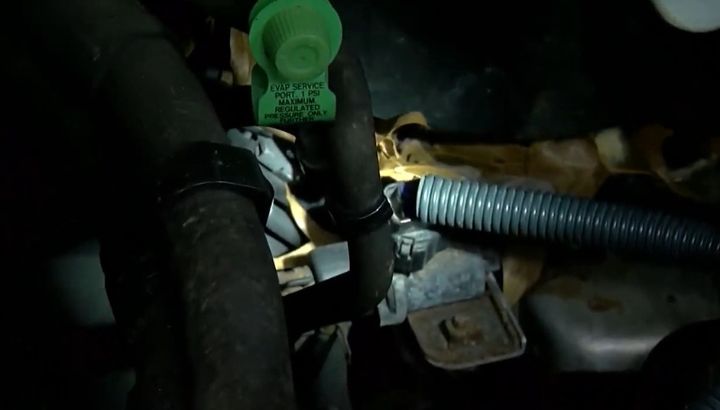
Use peppermint oil sachets in the engine bay, install rodent deterrent lights, drive the car at least every 3 days, park in a garage when possible, remove food sources from the area, seal openings with steel wool, and apply commercial rodent repellents like Mighty Mint or Fresh Cab. Combine multiple methods for best results.
A squirrel chewing through a wiring harness on a 2018 Honda CR-V in Boulder, Colorado can cost $2,800 in repairs and 3 days at a shop. The damage often happens during a single overnight visit and is invisible until the car refuses to start the next morning.
Knowing how do you keep squirrels out of car engines before you find chewed wires is the difference between a $15 prevention strategy and a multi-thousand dollar repair. Your Toyota RAV4, Honda Civic, Ford F-150, or Subaru Outback is a five-star squirrel hotel from October through April.
A driver in rural Vermont waking up to a no-start condition has already paid the squirrel tax that prevention would have avoided.
What Squirrel Damage To Car Engines Actually Looks Like
Squirrel damage to car engines includes chewed wiring harnesses, destroyed vacuum hoses, shredded insulation, food caches stored in air filter housings, and nests built on warm engine surfaces. The destruction targets the soft materials squirrels use for nest building and the wiring they chew to keep their teeth filed.
The damage falls into three categories. Mechanical damage includes chewed wires, hoses, and components. Contamination includes nesting material, acorns, and droppings inside the engine bay. Hidden damage includes wires that are partially chewed but still functional, which fail later under load.
A 2017 Toyota Highlander with squirrel-chewed oxygen sensor wiring may run normally until the wire fully separates, then triggers check engine codes weeks later. The owner often does not connect the original squirrel sighting to the eventual repair bill. Soy-based insulation used by manufacturers like Toyota, Honda, Subaru, and Tesla since the early 2010s actually attracts rodents because the soy smells appealing to them.
Common Signs Squirrels Have Been In Your Engine Bay
Visual evidence appears before a no-start condition develops. Catching the signs early prevents major damage.
Acorns Or Seeds Scattered In The Engine Bay
A scatter of acorns, walnut shells, sunflower seeds, or other nuts on top of the engine, in the air filter housing, or stuffed against the firewall is a clear sign squirrels are using your engine as storage. The food caches indicate regular visits.
A 2015 Subaru Forester in Asheville, North Carolina with acorns piled near the battery has become a squirrel pantry. The nuts roll into hot engine areas during driving, where they can crack and burn. Remove all food immediately and apply deterrents before damage escalates.
Chewed Wire Insulation Or Bare Wire
Visible chewed insulation on wiring harnesses appears as missing rubber coating, frayed copper exposed, or completely severed wires. The damage often concentrates on wires near nesting locations.
Modern vehicles with soy-based insulation show more chew damage than older vehicles with petroleum-based insulation. Honda and Toyota vehicles built after 2012 are particularly susceptible because of their plant-based wire coatings. Inspect wiring with a flashlight at every oil change.
Nesting Material Like Leaves And Insulation
Leaves, grass, twigs, fabric pieces, and torn insulation packed into engine bay corners, under engine covers, or in air filter boxes indicate active nesting. Squirrels prefer high, sheltered, warm locations for nest building.
A 2019 Hyundai Tucson with leaves stuffed under the plastic engine cover is being used as a primary residence by squirrels. The nesting material increases fire risk because dry leaves on hot engine surfaces can ignite. Remove all nesting material before the next drive.
Droppings In The Engine Bay
Small black or brown droppings scattered on engine surfaces, in the air filter housing, or on the battery are visual confirmation of squirrel presence. The droppings are about half an inch long and tapered at the ends.
The droppings carry diseases including hantavirus and leptospirosis. Always wear nitrile gloves when cleaning and use disinfectant cleaner. Lysol or 10 percent bleach solution kills the pathogens effectively. Never blow droppings with compressed air because aerosolized particles can cause infection.
Strange Noises From The Engine Bay
Unusual rustling, scratching, or chirping sounds from under the hood when the engine is off may indicate active squirrels in the engine bay. The noises are most common at dawn and dusk when squirrels are most active.
A driver in suburban St. Louis, Missouri hearing scratching from under the hood while parked in the driveway has likely just discovered a current resident. Open the hood carefully, bang on the fender to scare the animal away, then inspect for damage.
Why Squirrels Choose Engine Bays In The First Place
Understanding the appeal helps you neutralize it. Squirrels are not random visitors but calculated occupants of carefully chosen real estate.
Warm Engine Bays Attract Cold-Weather Activity
A car engine that has been driven recently retains heat for 2 to 6 hours after shutdown. The radiated heat creates an inviting microclimate that can be 20°F to 40°F warmer than outside ambient temperatures.
Squirrels seeking warmth in Wisconsin or Minnesota winters target recently-driven cars over cold cars in the same garage. Cars that sit unused for days lose all heat advantage but become valuable for nesting because they are not disturbed.
Engine Bays Provide Shelter From Predators
The dense, complex environment of a modern engine bay offers excellent shelter from hawks, cats, and other predators. Squirrels can navigate engine bays easily but predators struggle to follow.
A driveway in rural Pennsylvania with frequent hawk presence becomes a natural attractant for squirrels seeking safe shelter. The cars become defensive bunkers from predator pressure. Removing trees that allow easy hawk access can paradoxically reduce squirrel pressure on cars.
Soy-Based Wiring Insulation Smells Like Food
Modern manufacturers use soy-based wire insulation as part of environmental sustainability efforts. The plant-based material smells appealing to rodents and may even taste like food sources to squirrels.
Honda, Toyota, Tesla, Subaru, and Kia vehicles built after 2012 use soy-based insulation extensively. The class-action lawsuits filed against several manufacturers about rodent damage to soy wiring have not produced industry-wide changes. Owners are stuck managing the issue themselves.
Stored Food Caches Build Up Over Time
Squirrels cache food for winter, storing nuts and seeds in protected locations they can return to repeatedly. An engine bay used for storage early in fall becomes a regular destination by winter.
A 2016 Chevy Equinox in Iowa that hosted a few acorns in October typically has dozens by December and hundreds by February. The accumulation makes the location more attractive to other squirrels and accelerates damage.
Easy Access From Trees And Structures
Cars parked under trees, near bushes, or close to buildings provide squirrels with easy access. The animals jump from branches to rooftops to engine bays without ever touching the ground.
Parking arrangements that put 3 to 6 feet of open space around the vehicle reduce squirrel access. Most squirrels prefer not to cross open ground because it exposes them to predators. The parking position alone reduces visits by 30 to 60 percent.
How To Diagnose Whether Squirrels Are Active In Your Vehicle
A 5-minute inspection tells you whether you have an active squirrel problem or just an old issue you are still finding evidence of.
Open The Hood And Look For Fresh Signs
Lift the hood and look for fresh nesting material, recently dropped acorns, or fresh droppings. Older damage shows weathered material while active damage shows fresh debris.
Compare current findings to your last inspection. New material between inspections confirms ongoing activity. Old material that has not been added to suggests the squirrels have moved on or been deterred. Document with phone photos for comparison over time.
Check Wiring Harnesses For Recent Chew Marks
Inspect visible wiring harnesses for chew marks. Fresh damage shows clean wire ends with bright copper exposed. Old damage shows oxidized copper that has darkened from air exposure.
Use a flashlight to check wires near the firewall, around the throttle body, and along the inner fender wells. Damaged wiring near the throttle body or oxygen sensors causes immediate problems. Damaged wiring near accessory components may not show problems for weeks.
Inspect Air Filter Box For Storage Caches
Pop open the air filter housing and look for stored nuts, seeds, or nesting material. Squirrels often use the air box as a primary food storage location because it stays dry.
A clogged or stored-full air box reduces engine performance and can cause check engine codes. Empty the box completely and check the air filter for damage. Replace the filter if it shows chew marks or contamination.
Listen For Activity When Approaching The Vehicle
Stand near the parked vehicle and listen for rustling or movement under the hood. Active squirrels often startle when approached and may flee if you give them a moment.
A driver in Boulder, Colorado who hears scrambling under the hood should bang on the fender to scare any animal out before opening the hood. Opening the hood without warning can result in startled animals jumping at you.
Use Tracking Powder To Confirm Activity
Sprinkle non-toxic flour, talcum powder, or specialized tracking powder in the engine bay and check 24 hours later for footprints. Squirrels leave clear tracks in fine powder.
The tracking confirms whether activity is ongoing without harming animals. The technique is particularly useful when you are unsure if your prevention measures are working. Tracking powder costs $5 to $15 and is reusable across multiple sessions.
Step By Step Walkthrough To Squirrel-Proof Your Engine Bay
Effective squirrel prevention requires multiple overlapping strategies. No single method works alone, but combining 3 to 5 approaches eliminates most problems.
Step 1: Remove All Existing Nesting Material And Food
Open the hood and thoroughly clean out any nesting material, food caches, and droppings. Use compressed air, a shop vacuum, and a damp rag with disinfectant to remove all evidence.
Wear nitrile gloves and a dust mask because squirrel droppings carry diseases. Disinfect with Lysol Disinfectant Spray or 10 percent bleach solution. Removing existing scent markings makes the location less attractive to other squirrels.
Step 2: Apply Peppermint Oil Sachets Throughout The Engine Bay
Place 4 to 6 peppermint oil sachets in strategic locations including the engine cover, near the battery, in the air box area, and along the firewall. The strong scent deters squirrels and other rodents.
Commercial products like Mighty Mint Rodent Repellent, Fresh Cab, or Earthkind Stay Away Rodent Repellent offer concentrated peppermint formulations at $15 to $30 per package. Refresh the sachets every 30 days because the scent fades. DIY versions using cotton balls and pure peppermint essential oil cost $5 to $10 and work similarly.
Step 3: Install Rodent Deterrent Lights
LED rodent deterrent lights flash with motion and create an environment squirrels avoid. Solar-powered units like Solar Rodent Repeller at $25 to $50 require no wiring and last years.
Mount the lights in the engine bay or near the parking area. The flashing creates an unpredictable environment that small animals find threatening. The technology works against squirrels, raccoons, opossums, and other small mammals.
Step 4: Drive The Car Regularly To Disturb Habitat
Drive the vehicle at least once every 3 days, even if just around the block. Regular movement, vibration, and engine heat make the space less attractive for nest building.
Cars that sit for a week or more become squirrel real estate quickly. A 30-minute drive every few days disturbs any developing nest and warms the engine enough to push out comfort-seeking visitors. The cost is minimal fuel and time investment.
Step 5: Wrap Wiring Harnesses With Rodent Tape
Apply rodent-deterrent tape like Honda Rodent Deterrent Tape at $25 a roll, Toyota Rodent Wire Tape, or aftermarket versions to vulnerable wiring harnesses. The tape contains capsaicin that tastes terrible to rodents.
Wrap tape around the wiring harness in 1/3 overlapping turns, focusing on visible sections near common chew areas. The tape does not interfere with electrical function and remains effective for 2 to 5 years. Replace any sections that show wear or chew marks.
Step 6: Block Access With Steel Wool Or Mesh
Stuff steel wool into any large openings in the engine bay where squirrels enter. Steel wool packs tightly into spaces and squirrels cannot chew through the metal fibers.
Identify entry points by watching where animals enter or by tracing paths from droppings. Common entry points include the lower engine bay, near the headlights, and around the firewall. The blocking does not need to be comprehensive, just disruptive enough that squirrels seek easier access elsewhere.
Step 7: Remove Food Sources From The Surrounding Area
Eliminate bird feeders, fallen fruit, pet food left outside, and accessible garbage near the parking area. Reduced food supply forces squirrels to forage elsewhere, away from the vehicle.
A homeowner in Knoxville, Tennessee with bird feeders 20 feet from the driveway provides constant squirrel attraction. Moving feeders 50+ feet away or eliminating them temporarily during winter reduces vehicle pressure significantly. The food source matters more than most owners realize.
Step 8: Apply Commercial Rodent Repellent Spray
Spray the engine bay perimeter with commercial rodent repellent like Tomcat Repellents Rodent Repellent Spray at $15 a bottle or Bonide Rabbit, Deer & Squirrel Repellent. The sprays use natural ingredients that smell offensive to squirrels.
Reapply every 30 days during squirrel season (October through April in most regions). The chemicals are safe for engine components and do not damage rubber, plastic, or electrical parts. Cost runs about $10 per month for ongoing protection.
Real Driveway Story From An Owner In Boulder
A reader with a 2017 Honda CR-V at 76,000 miles in Boulder, Colorado discovered chewed wiring during a routine oil change in October. The damage included partially chewed throttle position sensor wiring and stored acorns in the air filter housing.
She had already had the car repaired once 18 months earlier for $1,400 in squirrel damage. The repeat visit suggested her prevention strategy was inadequate.
She implemented a multi-method approach. First, she installed Mighty Mint Rodent Repellent sachets at $25 in the engine bay. Second, she added a Solar Rodent Repeller light at $35 mounted on her garage wall. Third, she removed her bird feeders for the winter at no cost. Fourth, she wrapped exposed wiring with Honda Rodent Deterrent Tape for $30 from her dealer.
Total prevention cost was $90 plus an hour of work. She also started driving the car every other day instead of letting it sit for a week between trips, which warmed the engine bay and disrupted habitat formation.
The next 18 months passed without any squirrel damage. Her annual prevention cost averaged $30 in tape replacement and sachet refresh. The savings versus the $1,400 repair represented a 15-fold return on the $90 prevention investment.
She also discovered that her insurance would not cover repeat squirrel damage as comprehensive claims because the carrier considered repeated damage to be a foreseeable maintenance issue rather than an unexpected event. The motivation to prevent damage became financial as well as practical.
When Prevention Methods Will Not Be Enough
Some squirrel problems require professional intervention or environmental changes beyond simple prevention. Recognizing the limit prevents wasted effort.
Active Infestation In Multiple Vehicles
A driveway with multiple vehicles all showing squirrel damage indicates an environmental problem rather than a vehicle-specific issue. The neighborhood may have an unusually high squirrel population that exceeds normal prevention capabilities.
Professional pest control services from companies like Terminix, Orkin, or local independents can reduce population through trapping at $300 to $1,500 per service. The intervention is a last resort but sometimes the only effective option.
Existing Damage Beyond Surface Wiring
Damage that extends to the engine control module wiring, fuel injection harnesses, or transmission control wiring requires professional repair before any prevention can be applied. Driving with damaged critical wiring causes additional problems.
Professional repair of squirrel-damaged wiring runs $200 to $3,500 depending on which systems were affected. Some repairs require complete harness replacement at $1,500 to $4,000. Always fix existing damage before relying on prevention to stop new problems.
Vehicles That Sit For Extended Periods
Stored vehicles, project cars, or vehicles parked for more than a week at a time face higher squirrel pressure than daily drivers. The lack of disturbance allows extensive nest building and damage accumulation.
Storage strategies including indoor storage, car covers with rodent-deterrent properties at $80 to $300, and active rodent traps inside the engine bay provide better protection than passive deterrents alone. Vehicles that must sit for months need specialized storage approaches.
Areas With High Pest Pressure
Some regions have squirrel populations that overwhelm normal prevention. Rural areas in Vermont, New Hampshire, western Pennsylvania, Iowa, and similar high-population zones often need more aggressive approaches than suburban areas.
A reader in rural Vermont with neighbors who all see annual squirrel damage may need indoor storage as the only reliable solution. Heated garages cost $5,000 to $15,000 to build but prevent both squirrel damage and weather-related issues.
Manufacturers Issues Beyond Owner Control
Some vehicle models are particularly vulnerable due to manufacturer choices like soy-based wiring insulation, accessible engine bay layouts, or warm-running engines. Owner prevention can reduce but not eliminate the problem.
Honda CR-V, Toyota RAV4, Subaru Outback, and Tesla Model 3 vehicles built between 2012 and 2020 show particularly high rates of squirrel damage. Class action lawsuits have addressed some issues, but the fundamental design choices remain.
Symptom To Cause To Fix Reference Table
| Symptom You Observe | Most Likely Cause | Prevention Or Fix Action | Cost |
|---|---|---|---|
| Acorns in engine bay | Active food storage by squirrels | Clean and apply repellents | $20 to $50 |
| Chewed wiring with bright copper | Active squirrel damage | Repair wires, apply deterrent tape | $50 to $500 |
| Leaves and twigs under hood | Active nest building | Remove material, drive regularly | Free to $50 |
| Engine won’t start after sitting | Critical wiring damage | Diagnose and repair, then prevent | $200 to $3,500 |
| Check engine light after parking | Sensor wiring chewed | Read codes, repair affected wiring | $150 to $1,500 |
| Strong rodent smell from engine | Nest with droppings present | Clean thoroughly, disinfect, prevent | $30 to $100 |
| Bird feeders near parking spot | Attracting food sources | Move or remove feeders | Free |
| Cars sitting for over a week | Habitat formation opportunity | Drive every 3 days, install lights | $0 to $50 |
| Tree branches over parking area | Easy squirrel access | Trim branches, change parking spot | Free to $300 |
| Repeat damage despite prevention | Environmental pest pressure | Professional pest control service | $300 to $1,500 |
Tools And Products For Squirrel Prevention
Effective prevention requires a small toolkit of products that work together. Buying once and using consistently delivers the best results.
Peppermint Oil Sachets And Sprays
Mighty Mint Rodent Repellent at $25 per package contains concentrated peppermint oil that deters squirrels and other rodents. The sachets last 30 to 60 days before needing refresh.
Fresh Cab at $30 for a 4-pack offers a similar product made from balsam fir oil. Stay Away Rodent Repellent by Earthkind at $20 uses essential oils with proven effectiveness. DIY versions using cotton balls soaked in pure peppermint essential oil cost $8 to $15 and work nearly as well.
Rodent Deterrent Lights
Solar Rodent Repeller lights at $25 to $50 use motion-activated flashing to deter small animals. The solar power eliminates wiring and battery replacement.
Higher-end ultrasonic devices like Cleanrth Advanced Ultrasonic Rodent Repeller at $80 use sound to deter rodents but require power and may have limited effectiveness in real-world conditions. The flashing light approach is more reliable for engine bay applications.
Rodent Deterrent Tape
Honda Rodent Deterrent Tape at $25 a roll from Honda dealers contains capsaicin (the active ingredient in hot peppers) that tastes terrible to rodents. Toyota and Subaru offer similar products at comparable prices.
Aftermarket versions like Repels-All Wire Wrap at $20 offer comparable effectiveness for less money. The tape wraps around wiring harnesses without affecting electrical function. One roll covers most engine bay applications.
Steel Wool For Blocking Entry Points
Steel wool in coarse grade (#0 or #1) blocks squirrel entry points effectively because the metal fibers cannot be chewed through. A pack of 10 pads costs $5 at hardware stores like Home Depot, Lowe’s, or Ace Hardware.
Stuff the steel wool into gaps and openings around the engine bay perimeter. Squirrels usually move on after encountering steel wool because the material is unpleasant to chew. The wool lasts 6 to 12 months before rusting and needing replacement.
Comparison Of Prevention Methods
| Prevention Method | Cost | Effectiveness | Maintenance | Best For |
|---|---|---|---|---|
| Peppermint oil sachets | $20 to $30 monthly | Moderate to high | Replace every 30 days | First-line defense, low pressure areas |
| Rodent deterrent lights | $25 to $80 one-time | Moderate | Solar, no maintenance | Garage and driveway use |
| Rodent deterrent tape | $25 to $50 per car | High on protected wiring | 2 to 5 year replacement | Vehicles with known wire damage |
| Steel wool blocking | $5 to $15 | High at sealed points | Replace when rusted | Specific entry point control |
| Commercial repellent spray | $15 monthly | Moderate | Reapply every 30 days | Perimeter protection |
| Mothballs (avoid) | $10 | Low to moderate | Toxic, not recommended | Not recommended due to health risks |
| Dryer sheets (avoid) | $5 | Very low | Limited evidence of effectiveness | Folk remedy, not reliable |
| Predator urine | $20 to $40 | Moderate | Reapply weekly | Outdoor parking, large areas |
| Hardware mesh | $20 to $60 | High at openings | Permanent if installed correctly | Large openings, persistent problems |
| Professional pest control | $300 to $1,500 | Very high | Quarterly service | Severe infestations |
Mistakes That Make The Squirrel Problem Worse
Some attempted solutions actually attract more squirrels or create additional problems. Avoiding these common errors saves frustration.
Using Mothballs In The Engine Bay
Mothballs contain naphthalene or paradichlorobenzene, which are toxic to humans and animals at the levels needed to deter rodents. The chemicals also corrode metal components and can damage rubber and plastic.
Effective deterrent levels require so many mothballs that the smell makes the cabin unbearable when driving. Avoid this method completely. The temporary deterrent effect is not worth the health and material risks.
Ignoring Damage While Adding Deterrents
Applying deterrents to a vehicle with active wiring damage does not fix the existing damage. The car will continue to malfunction or fail completely as the chewed wires age and oxidize.
Always repair existing damage before relying on prevention to stop new problems. Addressing both issues together provides the best outcome. Skipping the repair leads to mysterious problems that drivers blame on prevention failure when the actual cause was unaddressed existing damage.
Trapping Without Addressing Attractants
Trapping individual squirrels without addressing the food sources, habitat, and access paths creates a constant rotation of new visitors. The trap removes one squirrel and another moves into the vacant territory within days.
A comprehensive approach addresses attractants first, then deters remaining animals, with trapping as a final option for problem individuals. Skipping the attractant control wastes effort on the trapping.
Using Sticky Traps That Cause Suffering
Glue traps cause prolonged suffering and are illegal in some states. The traps catch squirrels but do not kill them quickly, leading to slow death from starvation, dehydration, or self-mutilation.
Use snap traps if lethal control is needed, or live traps for relocation. Tomcat Snap Traps at $5 each kill quickly and humanely. Live traps from Havahart at $30 to $60 allow capture and release at distance. Both options are more humane than glue traps.
Spraying Engine With Hose To Remove Animals
Spraying water into the engine bay to scare out squirrels can damage electrical components, sensors, and wiring connections. The water-induced damage often costs more than the squirrel damage you were trying to address.
Use noise (banging on the fender), light (flashlight in dark engine bay), or just patience (open hood and wait) to encourage squirrels to leave. Never use water or chemicals in a way that could damage vehicle systems.
Expecting One Method To Solve The Problem Completely
Single-method prevention rarely works. Squirrels adapt to any single deterrent over time, requiring rotation or combination strategies.
Combine 3 to 5 methods for best results. Peppermint oil plus deterrent tape plus regular driving plus removing food sources offers significantly better protection than any single method alone. Commit to the combined approach and refresh deterrents regularly.
How To Make Squirrel Prevention A Permanent Part Of Vehicle Care
Effective long-term prevention becomes a habit rather than a crisis response. The investment in regular maintenance pays back through avoided major repairs.
Inspect The Engine Bay At Every Oil Change
A 5-minute engine bay inspection at every oil change catches squirrel activity early. Look for nesting material, droppings, food storage, and chew marks on wiring.
The 5,000 to 7,500-mile interval between oil changes provides regular inspection opportunities without requiring separate maintenance time. Catching problems early prevents major damage. The inspection costs nothing if you DIY oil changes or is included in shop service.
Refresh Deterrents Monthly During High-Risk Season
Squirrel pressure peaks from October through April in most regions. Monthly refresh of peppermint oil sachets, deterrent sprays, and other consumable deterrents during this period maintains effectiveness.
A simple calendar reminder on your phone for the first Saturday of each month creates a maintenance routine that prevents seasonal problems. The 10-minute monthly investment costs $20 to $40 and prevents problems worth thousands.
Park Strategically When Possible
Park in a garage when possible. If a garage is unavailable, park in open areas away from trees, bushes, and structures that provide squirrel access. The 3 to 6 feet of open space around the vehicle reduces visits significantly.
A driver in suburban Indianapolis, Indiana who switches from parking under a maple tree to parking in the open driveway 20 feet away typically sees a 60 to 80 percent reduction in squirrel activity. The simple change costs nothing and works immediately.
Remove Attractants In The Surrounding Environment
Eliminate or relocate bird feeders, fallen fruit, accessible garbage, and pet food during high-risk seasons. The reduced food supply pushes squirrels to forage elsewhere.
Bird feeders 50+ feet from the parking area or removed entirely during winter dramatically reduce vehicle pressure. The temporary inconvenience to bird-feeding hobbies prevents thousands in vehicle damage.
Drive Stored Vehicles Regularly
Vehicles that sit unused need regular driving to prevent habitat formation. Drive at least every 3 days in high-risk seasons, with at least 15 to 30 minutes of operation to fully warm the engine.
Stored project cars, second vehicles, or RVs benefit from monthly drive cycles even in low-risk seasons. The fuel cost is minimal compared to repair cost from squirrel damage during long storage.
Build A Multi-Method Maintenance Routine
Combine peppermint sachets, deterrent lights, regular driving, food source control, and periodic inspection into a comprehensive routine. Each method strengthens the others.
The combined approach typically costs $30 to $50 per month and prevents 90+ percent of squirrel damage. Document the routine on a calendar to ensure consistency. Skipping any single component reduces overall effectiveness.
Frequently Asked Questions
Why Do Squirrels Chew Car Wires Specifically?
Squirrels chew car wires for two main reasons. First, modern manufacturers use soy-based wire insulation as part of environmental sustainability efforts, and the plant-based material smells appealing or tastes like food to rodents. Second, squirrel teeth grow continuously throughout their lives, requiring regular chewing on hard materials to keep teeth filed to functional length.
Honda, Toyota, Subaru, Tesla, and other manufacturers using soy-based insulation since the early 2010s have higher reported squirrel damage rates than older vehicles with petroleum-based wiring. The materials issue has produced class-action lawsuits, but industry practices have not changed significantly. Owners must implement prevention strategies to protect their wiring regardless of manufacturer choices.
What Smells Do Squirrels Hate The Most?
Squirrels hate strong peppermint, predator urine, capsaicin (hot pepper extract), and certain essential oils including eucalyptus and citrus. The strong smells overwhelm their sensitive olfactory system and make environments uncomfortable.
Peppermint oil is the most popular and effective deterrent because it works against squirrels, mice out , and rats simultaneously. Commercial products like Mighty Mint and Fresh Cab concentrate the scent in convenient packaging. Predator urine like coyote or fox urine triggers prey instinct in squirrels and causes them to avoid the area entirely. Capsaicin in deterrent tape makes wiring taste terrible without preventing electrical function. Combining multiple scents prevents squirrels from adapting to any single deterrent.
Will Mothballs Keep Squirrels Out Of My Engine?
Mothballs are not recommended for squirrel prevention despite folk advice claiming effectiveness. The naphthalene or paradichlorobenzene chemicals are toxic to humans and pets at deterrent levels and cannot be controlled in an open environment like an engine bay.
The smell required to actually deter squirrels makes the cabin nearly unbearable when driving. The chemicals also corrode metal components, damage rubber and plastic parts, and may damage paint over time. Health concerns for vehicle occupants are also significant. Use proven alternatives like peppermint oil sachets, deterrent sprays, or commercial repellents instead. The slight cost difference is worth the safety and material protection.
Does Insurance Cover Squirrel Damage To Cars?
Insurance covers squirrel damage under comprehensive coverage, but typically only for the first incident. The damage falls under animal damage which is included in standard comprehensive policies.
The deductible applies, usually $250 to $1,000. Filing repeat claims for similar damage may result in policy non-renewal or rate increases. Some insurance companies categorize repeat squirrel damage as a maintenance issue rather than insurable loss, denying coverage entirely. Always check with your insurance company about specific policy terms. The first claim usually pays out, but ongoing damage requires owner-funded prevention. Comprehensive coverage costs $300 to $700 annually but pays for itself with one major squirrel damage claim.
How Much Does Squirrel Damage Repair Typically Cost?
Squirrel damage repair costs range from $200 for minor wiring repair to $5,000+ for extensive harness damage. The most common repair runs $500 to $1,500 for moderate wire damage requiring partial harness replacement.
A 2018 Toyota RAV4 with chewed oxygen sensor wiring may cost $400 to $700 to repair. Severe damage to the engine control module harness on a Honda CR-V can run $2,000 to $4,000 because the entire harness must be replaced. Diagnostic time alone runs $100 to $300 because finding chewed wires hidden in harnesses takes hours. Always get multiple repair estimates because shops vary significantly in pricing and approach to wiring repair.
Are Some Cars More Likely To Have Squirrel Problems?
Some cars are significantly more likely to have squirrel problems based on manufacturer choices and design. Honda CR-V, Toyota RAV4, Subaru Outback, and Tesla Model 3 vehicles built between 2012 and 2020 show particularly high rates of damage due to soy-based wire insulation.
Vehicles with accessible engine bay layouts, warm-running engines, and tight nesting spots also see more problems. SUVs and crossovers typically see more damage than sedans because they offer more sheltered nesting space. Hyundai, Kia, Volkswagen, and Audi vehicles also use plant-based wiring extensively. Older vehicles built before 2012 with petroleum-based insulation see fewer problems. Knowing your vehicle’s risk level helps determine prevention urgency.
How Often Should I Check Under My Hood For Squirrel Activity?
Check under your hood weekly during high-risk seasons (October through April) and monthly during summer months. The 5-minute inspection catches problems early when they are easy to address.
Drivers in rural areas, near parks, or with bird feeders nearby should check more frequently. Drivers in apartment buildings or urban areas with limited squirrel populations can check less often. Always check after vehicles have sat for more than a week regardless of season. The early detection prevents major damage. A driver in Vermont who finds acorns in October has caught the problem before extensive damage. The same find in February typically means significant accumulation has occurred.
Can I Use Cayenne Pepper To Keep Squirrels Out?
Cayenne pepper can deter squirrels because it contains capsaicin, the same compound used in commercial rodent deterrent tape. Sprinkling cayenne in the engine bay or mixing it with petroleum jelly to apply on surfaces creates an unpleasant taste barrier.
The DIY approach is cheaper than commercial products, with cayenne pepper costing $3 to $5 per container compared to $25 for commercial deterrent tape. The homemade version requires more frequent reapplication because rain and engine heat reduce effectiveness within 1 to 2 weeks. Commercial products with engineered formulations last longer and maintain consistent potency. Either approach works for moderate squirrel pressure, but commercial products offer reliability advantages.
Will A Cat Or Dog Help Keep Squirrels Away?
A cat or dog in the household can reduce squirrel activity around the property but does not directly protect parked vehicles. The pet’s presence creates predator pressure that makes the area less attractive to squirrels.
Dogs that bark at squirrels or cats that hunt them outside can reduce overall squirrel population in the immediate yard. The effect on parked cars varies based on how often the pet is outside and how active the squirrel population is. The pet alone is not sufficient prevention but contributes to overall reduced pressure when combined with other methods. German Shepherds, Border Collies, and other active herding breeds tend to be more effective at squirrel deterrence than smaller or less active breeds. Cats vary widely depending on hunting instincts.
Conclusion
Knowing how do you keep squirrels out of car engines comes down to combining multiple deterrent methods rather than relying on any single solution. Peppermint sachets, deterrent lights, regular driving, food source control, and protective wiring tape work together to create an environment squirrels avoid.
Your Honda CR-V, Toyota RAV4, Subaru Outback, or Hyundai Tucson is at risk every fall and winter regardless of where you park. The $30 to $50 monthly investment in prevention is far less than the $500 to $4,000 cost of repair when squirrels chew through your wiring harness and you wake up to a no-start condition on the morning you absolutely need to be somewhere.